04 November 2026 | Budva, Montenegro [Dusanka Rancic & tedNEWS]
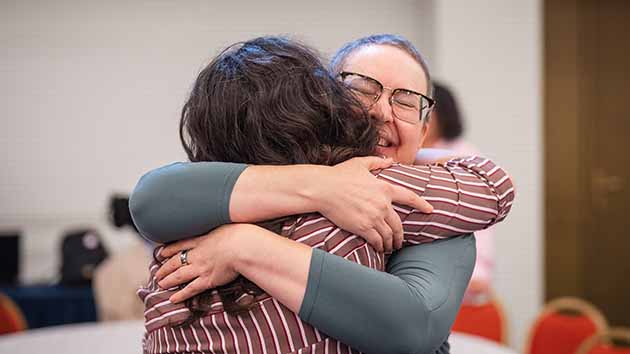
More than 150 women serving in ministry across the Trans-European Division (TED) gathered in Budva, Montenegro, from 2 to 4 November for the Women Pastors’ Council (WPC). Open to women pastors, Bible workers, theology students, and ministry administrators and directors, the event offered opportunities for worship, learning, and fellowship. Laughter and prayers filled the gathering as women hugged and encouraged one another.
Through plenary sessions and workshops, the event emphasised the importance of caring for those who care for others, helping women to thrive in ministry.
A time to learn
Pastor Crystal Ward, Associate Ministerial Secretary of the General Conference, explored the need to care for leaders’ inner lives in her workshop, “The Emotionally Healthy Leader”. She noted that leadership training often concentrates on theology, administration and strategy, while giving less attention to self-awareness and emotional health.
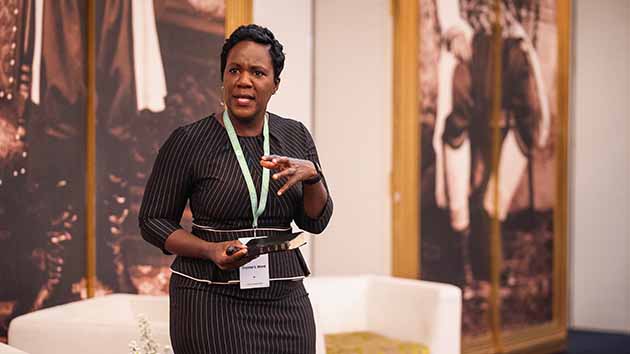
Ward described an emotionally healthy leader as someone who understands and manages their emotions and remains grounded in Christ. She encouraged participants to recognise their blind spots, seek feedback and approach difficult conversations with honesty and love. “You cannot lead people to healthy places if you are emotionally unhealthy,” she said. She reminded participants that God is interested not only in what leaders do, but also in who they are becoming.
Pastor Daniel Duda, TED president, explored the biblical foundations of women’s calling and leadership in his workshop, “The Call – A Biblical Perspective”. Beginning with the creation account in Genesis, he highlighted how the first commission to humanity was given to both men and women, who shared the same image, blessing and responsibility. He challenged participants to consider how the biblical story of creation, the ministry of Jesus and the outpouring of the Holy Spirit at Pentecost affirm a community in which gifts are recognised, and everyone has a part to play.
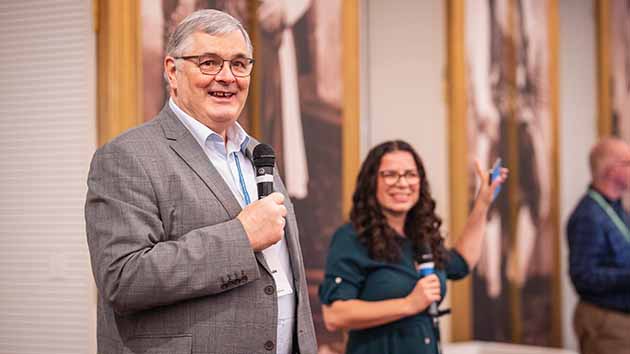
Duda emphasised that identity is received, not earned, reminding the women: “You are God’s beloved daughter before you are God’s successful minister.” He also addressed the pressure many women feel to work harder to establish their value and credibility. “You don’t have to prove your value by overworking. Sabbath reminds you that you are valuable,” he said.
Other workshops included “Conflict Resolution Matters”, led by Pastor Dilys Brooks, chaplain of Loma Linda University. She explored how cultural expectations and different approaches to disagreement can affect relationships in ministry.
The programme also featured “The Prayer Life by the Leader”, delivered by Audrey Folkenberg, Adventist Mission Director for the Greek Mission; “Finding Your Preaching Voice”, by Pastor Anne-May Müller, Danish Union Family Ministry Director; “Making Room for God”, by Pastor Sylvia Cariotoglou, TED Women’s Ministry Director; “Caring for Your Mental Health”, by Karen Holford, TED Family Ministry Director; and “Cross-Cultural Ministry”, by Judy Clements OBE, British Union Conference (BUC) Associate Executive Secretary.
The programme also addressed the practical pressures of ministry. In “Making Time for What Matters”, Pastor Audrey Andersson, one of the General Conference’s vice-presidents, challenged the assumption that being busy necessarily means being productive. She encouraged participants to clarify their purpose, consider their energy levels and make choices that reflect their priorities. Learning to say no, she explained, is not a rejection of people, but a way of protecting the capacity to serve them well.
For Pastor Sonja Kalmbach, from the Swedish Union, the workshop was a timely reminder to take responsibility for how she uses her time. “It is easy to have other people take your time. It is important to be in control of where you spend your time,” she reflected.
A time for fellowship
Fellowship gave participants time to reconnect with friends and meet others who understand ministry’s demands. For some, meeting other women in ministry was as valuable as the sessions themselves.
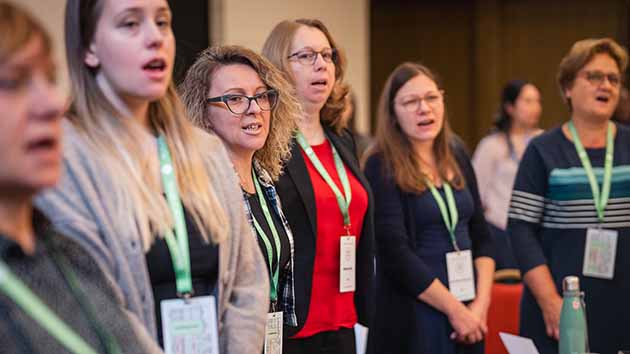
Anja Cikač, a theology master’s student at Newbold College of Higher Education, said she would treasure the support and understanding shared among attendees. She appreciated the opportunity to reconnect with friends and form new friendships, describing the encouragement she received from other women as something she would “carry into her ministry”.
For first-time attendee Faith Muimo, from the BUC, the setting in Budva added to the experience. She described the location as “peaceful” and said the programme reminded her to make time to rest and seek God. “As a leader, I need to take time to rest first,” she said.
Marta Machado, from the BUC, also attended a WPC for the first time. She described the event as inspiring and welcomed TED’s investment in women in ministry, particularly the “opportunities for young pastors, Bible workers and students”. Machado also appreciated the counselling support offered during the event, as well as the mentoring programme for those beginning their ministry journey.
Affirming Our Calling
Reflecting on the Council, Pastor David Neal, TED Ministerial Secretary and event organiser, emphasised that the Division’s commitment to women in ministry extends well beyond this gathering. “Our theme was ‘Affirming Our Calling’. We believe that God has already affirmed the calling of women to pastoral ministry. Our challenge is to help the wider church recognise and embrace that calling too.”
“We want every woman serving in ministry to know that she is valued, respected and supported,” Neal continued. “But we also recognise that encouragement and empathy, important as they are, are not enough. We are committed to listening carefully to the lived experiences of women in ministry, understanding the challenges they face and taking seriously what we hear.”
Reflecting on the Council’s long-term impact, Neal added, “Through mentoring, counselling, professional development and ongoing conversation, we are committed to turning that understanding into practical support. Above all, we want to help build a church community where women are not only affirmed in their calling but are also given the opportunity and support to flourish in ministry.”
“I pray that the WPC contributed to our churches becoming communities where women and everybody else are encouraged to discover and develop their spiritual gifts,” said Duda. “Places where every person is valued and every member is equipped to flourish,” he concluded.
Photos: Anja Cikač / AME (CC BY 4.0)