1 November 2026 | Budva, Montenegro [Joe Philpott]
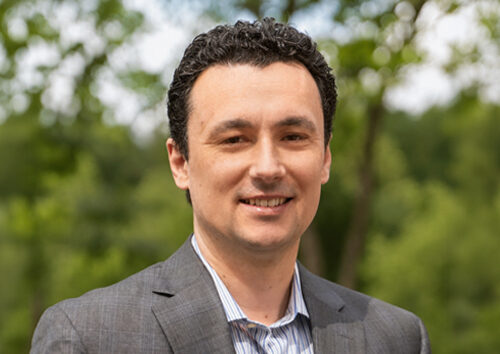
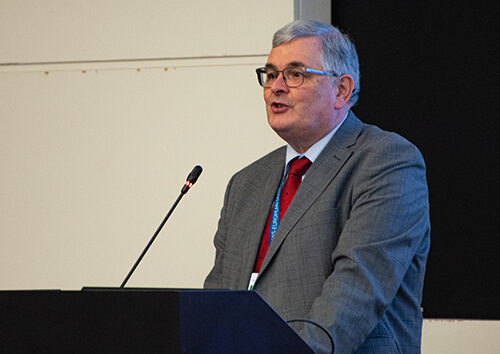
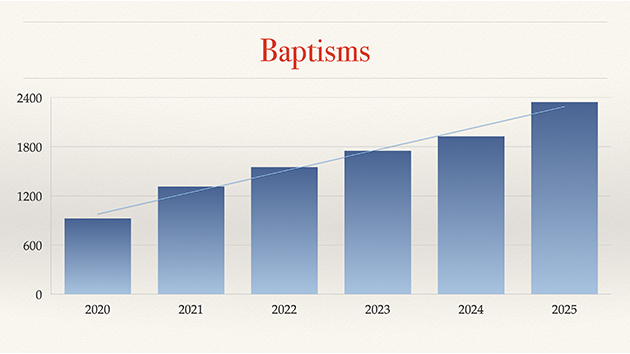
Baptisms across the Trans-European Division (TED) have increased for a fifth consecutive year, prompting plans to research what is drawing people to the Seventh-day Adventist Church. Meanwhile, the division’s strong financial position is helping sustain investment in mission. These developments were highlighted in reports presented by TED Executive Secretary Robert Csizmadia on 29 October and Treasurer Nenad Jepuranović on 30 October at the TED Annual Council, held in Budva, Montenegro, from 28 October to 1 November 2026.
Baptisms increase for a fifth consecutive year
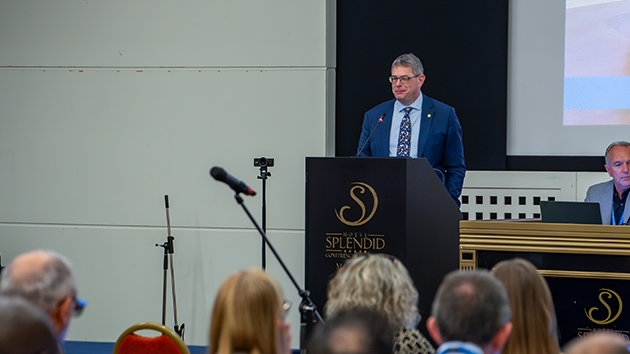
As of the end of September 2026, Csizmadia reported a total membership of 96,238, with baptisms up by more than 400 from the previous year. Having examined records back to 1986, he described the sustained increase as an exceptional development.
While migration continues to contribute to membership growth, Csizmadia emphasised that it could not fully explain the rise in baptisms. He reported that baptisms accounted for approximately 42% of membership gains, compared with 7% through profession of faith and about 50% through transfers by letter. He challenged leaders to respond to this growing interest in faith, warning against becoming preoccupied with internal church matters while opportunities for mission remain open.
Csizmadia also explored the different journeys behind admissions through profession of faith. Responses gathered from pastors suggested these included Adventists arriving from conflict-affected areas such as Ukraine, former members returning, and new individuals joining the Adventist Church. He recognised these returning members as part of the church’s mission, highlighting their contribution to the growth reported.
Sylvia Cariotoglou, TED Adventist Mission, Evangelism, and Women’s Ministries director, shared during the report that the division has 155 known church plants, including 36 receiving funding from the General Conference and TED through the Global Mission Pioneers initiative. Four ACTS church-planting cohorts are operating across the division, combining coaching and practical training over 18 months to develop church planters and leaders.
What draws people to church
Cariotoglou went on to outline plans for a research project exploring why people baptised in the past two years chose to join the Adventist Church.
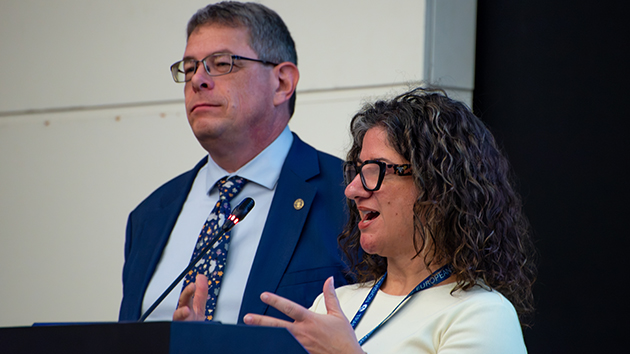
Beginning with an anonymous survey, the study will explore participants’ social and religious backgrounds, how they first encountered the Adventist Church, who influenced them and how long their journey towards baptism took. It will also examine what attracted them, the barriers they faced and their experiences of belonging, discipleship and participation after baptism.
Cariotoglou explained that people with limited previous knowledge of Christianity may need a longer journey towards faith than those with a Christian upbringing. By identifying what first drew people to the Adventist Church, who supported them and what difficulties they faced, the research could help churches shape their outreach, prepare people for baptism and support their continued growth as disciples.
Different journeys towards baptism
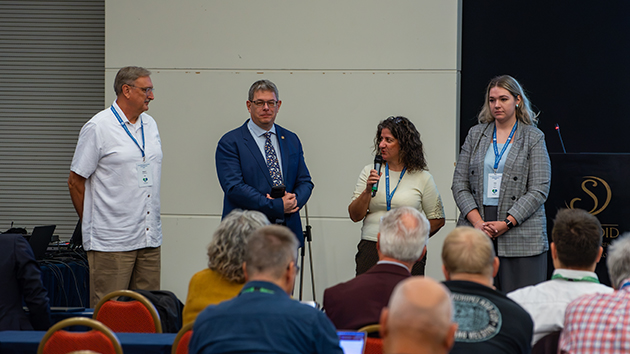
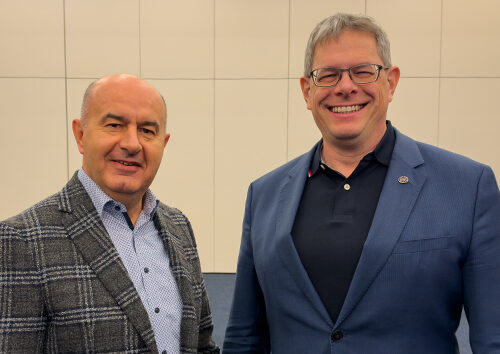
To illustrate the potential research questions, Csizmadia interviewed Cariotoglou, Robert Folkenberg II, the Greek Mission president, and Ieva Lauka from the Baltic Union Conference. Raised in a Greek Orthodox family, Cariotoglou first attended an Adventist church after being invited by a neighbour. Her friend accompanied her daughters to Sabbath School and explained the unfamiliar worship service as it unfolded. Some time later, hearing a message about death during an evangelistic series helped her decide to be baptised at 32.
Lauka first encountered the church at 15 through a local youth group and Pathfinders, after her school friend invited her. She remembered wondering: “Why do they accept me?” At 19, she was baptised alongside the friend who had invited her, both wearing their Pathfinder uniforms.
Folkenberg grew up in an Adventist missionary family, was baptised as a fifth-generation Adventist, and is now a fifth-generation pastor. Experiencing a devastating earthquake in Guatemala changed his understanding of suffering and led him to listen more closely to what he heard at church. He was baptised at 13.
Their accounts illustrated how the varied roles of friendship, family and teaching helped them come to know Jesus and decide to be baptised.
Funding mission across the division
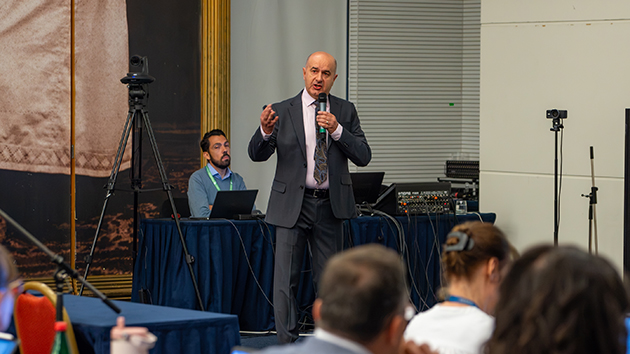
The support for church planting and other mission initiatives also featured prominently in the treasury report. Reviewing the TED’s financial position for the first eight months of 2026, Jepuranović thanked church members for their faithful giving and reported a further increase in tithe income across the Division. While the financial position remains strong, he acknowledged that tithe growth was beginning to slow. He identified changing giving patterns, an ageing membership, and wider economic pressures as factors, prompting discussions about how the church could sustain its mission in the years ahead.
Jepuranović outlined how tithe funds were used. The largest share, 41%, went to unions and other church entities, while 26% supported church workers and their travel expenses. A further 13% returned to unions through the tithe-sharing arrangement, helping fund regional evangelism. Newbold College received 5%, supporting the church’s educational work, while the remaining 15% covered operational expenses, including meetings and property costs.
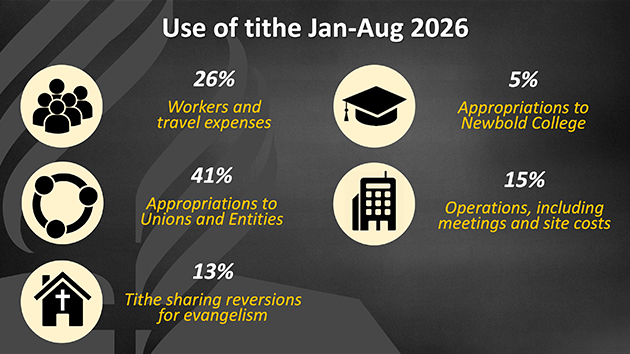
Jepuranović emphasised the importance of transparent reporting on how tithe is used, encouraging unions and conferences to conduct similar reviews. Such reporting, he explained, allows church leaders to assess how resources are distributed between administration, pastoral ministry and other priorities, and identify where adjustments may be needed.
2027 budget
Looking ahead, Jepuranović presented the 2027 budget, outlining plans to maintain and strengthen mission funding, including increased financial support for the three attached fields. The budget also provides for future mission projects and major gatherings, including OneVoice27, the 2027 Pathfinder Camporee and the 2028 European Pastors’ Council. Jepuranović reported that the budget aims to manage investments and reserves carefully while releasing as much funding as possible for mission.
The report highlighted that funds previously set aside by the TED Executive Committee are still being directed toward mission priorities, including Alive in Jesus, media initiatives, church planting, and Mission Refocus. While some of these funds were released during 2026, particularly for Alive in Jesus and media initiatives, further resources remain available to support initiatives throughout 2027. Jepuranović explained that although these funds are part of TED’s financial reserves, they are earmarked for specific purposes.
The TED Executive Committee approved the financial statements and the 2027 budget, providing a framework for continued investment in local ministry, leadership development and mission across the division.
[Photos: Joe Philpott]