3 April 2026 | St Albans, UK [Joe Philpott]
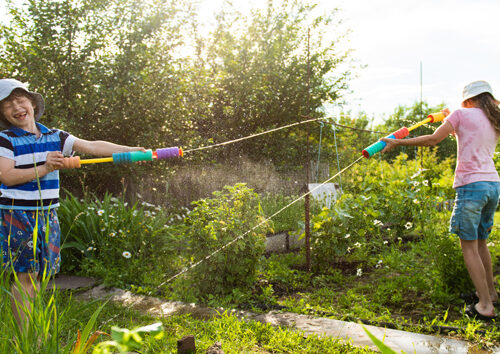
A few days ago, I was speaking with my Polish neighbour when our conversation turned to Easter traditions. She told me about the joy of Easter Monday, when children and adults throw water on each other in a Polish tradition called Śmigus-Dyngus.
As she described what it was like growing up, it didn’t sound like a formal tradition. It was, in her words, a water fight with her parents and siblings first thing in the morning. Whoever woke up first had the advantage; they could prepare themselves and catch everyone else off guard.
It sounded like so much fun.
The tradition itself has deep roots in Polish culture. While its exact origins are debated, Śmigus-Dyngus is often linked to themes of cleansing and renewal, ideas that sit closely alongside the message of Easter. Water, in this sense, symbolises new life, a washing away of the old and the beginning of something new. Over time, what may have started as a seasonal or even pre-Christian custom became intertwined with Christian celebration, reflecting the joy associated with the resurrection of Jesus.
And it is not unique.
Across Europe, traditions and symbols connected to the death and resurrection of Jesus continue to shape how Easter is experienced. Some remain vibrant and deeply meaningful. Others have become more cultural than spiritual.
Which raises the question in today’s rapidly secularising Europe: what does the resurrection actually mean now?
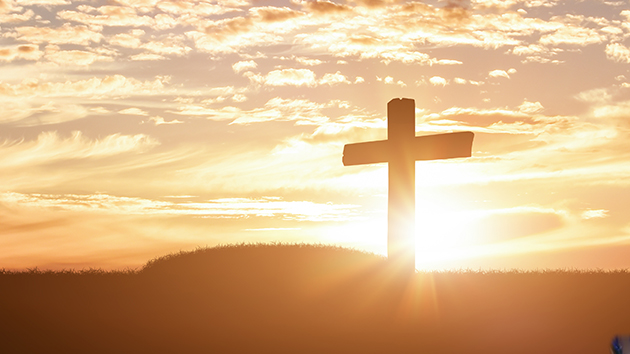
For many, Easter is both familiar and distant. Christian symbols, such as the crucifix, are widely recognised, but their meaning is often unclear or simply overlooked. Shops are filled with chocolate eggs, bank holidays are welcomed, and families gather, yet the central claim of Christianity, that Jesus Christ rose from the dead, is often left unexamined.
The resurrection, however, was never meant to be symbolic alone.
At its core, it is a disruptive declaration. It confronts despair with hope, death with life, and uncertainty with purpose. It speaks to the possibility of a restored relationship with God, lived out in community with others. In recent years, Europe has faced increasing loneliness, social fragmentation and ongoing questions around identity. These are often discussed in political or economic terms, but they also point to something deeper: a spiritual restlessness.
The message of the resurrection speaks directly into that space.
Easter is not just a remembrance service. It is an invitation to step into a reality where despair, death and uncertainty do not have the final word. While the Bible points to a restored world in the future, it also speaks of a life lived today with the resurrected Jesus, a life in which His promise can be experienced now: “I have come that they may have life, and have it abundantly” (John 10:10).
But perhaps that is why traditions like Śmigus-Dyngus have endured for generations. Beneath the laughter, the early morning chaos, and the playful throwing of water, there is a desire for something deeper. My neighbour may have been describing a childhood memory, but it left me asking, has my experience with God moved beyond symbols and traditions to something real and personal? Has the Easter message truly reshaped who I am and how I live, or has it remained something familiar, yet distant?
[Photos: irinapavlova1 and crazyphotography, Elements by Envato]