6 March 2026 | Maryland, USA [Gina Wahlen]
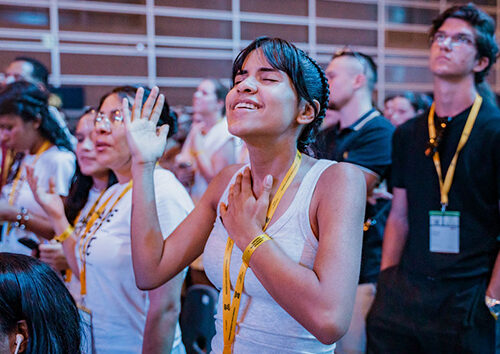
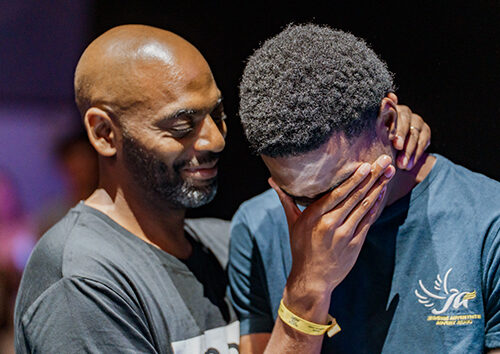
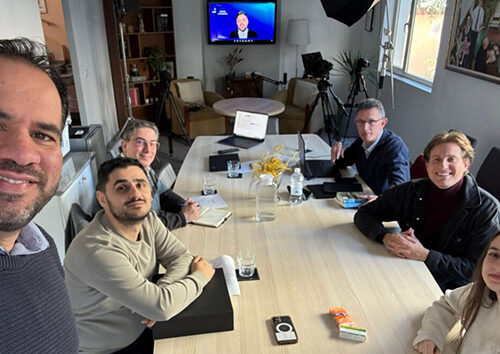
The recent online Mission Refocus Conference called “Click → Community → Change” attracted more than 2,000 participants from 37 countries. The February 22 event emphasised “hybrid mission,” finding ways to combine digital engagement and in-person community and disciple-making.
The conference was a collaboration between the General Conference Office of Adventist Mission and the Digital Strategy for Mission initiative. The event emphasised intentionally moving from digital engagement to in-person community and disciple-making.
“The number of online participants reflects the strong global interest in this growing and strategically important area of mission,” says ChanMin Chung, director of the Global Mission Centers, which featured in the conference. The event shared strategic frameworks and practical case studies. Central to the discussion was the role of the Global Mission Centers in contextualising hybrid mission approaches across diverse cultural and religious settings.
Presentations explored how digital pathways can lead to meaningful ministry within the church’s major mission contexts—secular and post-Christian societies, urban centres, and the 10/40 window—highlighting the importance of integrating online engagement with relational, community-based ministry.
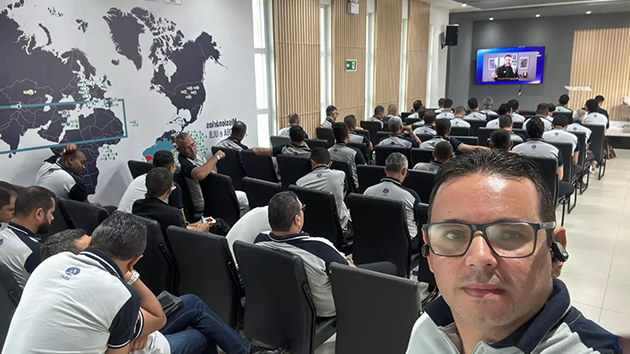
“The Mission Refocus Conference was a powerful gathering that reminded us why technology and digital media exist in the church today,” says Richard Stephenson, associate treasurer for digital strategy. “They’re never-ending in themselves, but powerful tools in accelerating the advance of the good news.”
Contextualising Mission Across Religious and Cultural Settings
The conference featured a series of concise presentations followed by a panel discussion. Each Global Mission Center director offered practical insights into contextualisation, including approaches to engaging secular urban audiences, Jewish communities, Muslim communities, and East and South Asian religious contexts.
Umesh Nag, director of the Center of South Asian Religions, shared that themes related to spiritual life, social issues, and strong support systems resonate deeply within South Asian communities. He emphasised the importance of building trust by creating safe and reliable communication spaces, providing clear and respectful communication tools, and offering opportunities for direct human connection, such as chat support, call centres, and personal meeting spaces.
Trust and authenticity are also foundational when building relationships with those of the Jewish faith, said Reinaldo Siqueira, director of the Center for Adventist-Jewish Relations.
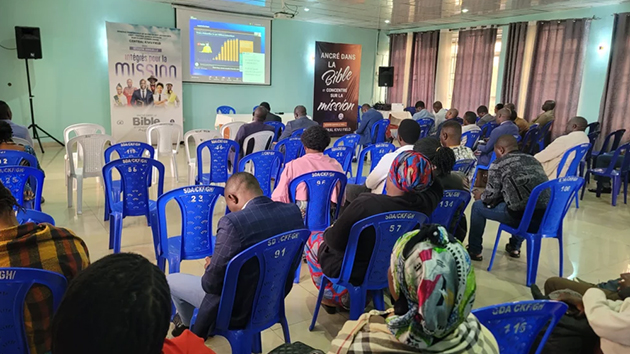
“Jewish people,” he stated, “are very sensitive to whether someone is hiding something. If we are presenting ourselves, we need to clearly say that we are Seventh-day Adventists.” “Authenticity is essential,” he emphasised. “Do not hide who you are.” Siqueira also cautioned against polemics. “Polemics do not build trust; they do not build relationships. We are here to build friendship, trust, and meaningful connections.”
Meaningful connections were likewise emphasised by Petras Bahadur, director of the Center for Adventist-Muslim Relations. The centre is actively reaching out to communities and developing resources that foster meaningful, respectful conversations within supportive environments.
When engaging Buddhist communities, relational trust and credibility are essential, according to Saeng Saengthip, director of the Center for Adventist-Buddhist Relations. Respect plays a central role.
“In Buddhist culture,” he said, “people look up to their religious leaders; they revere them deeply. So the person presenting the message is almost as important as the message itself.” Saengthip noted that nonaggressive, invitational approaches are important.
Reaching the Urban and Secular World
Addressing ministry in major cities, Bledi Leno, director of the Center for Urban Mission, observed that “the neighbourhoods of the cities have moved from the actual neighbourhood to the digital space.” Urban residents, he explained, are often time-poor yet spiritually curious. “So they will be scrolling online at 11:30 at night,” he said, “checking out Instagram, or YouTube channels, or Facebook.”

Leno stressed the importance of consistency between digital presence and lived community experience. “Our focus in reaching out to urbanites shouldn’t just be ‘views’ or ‘followers,’ ” he said, “but it should be tables”—underscoring that the ultimate goal is face-to-face relationships. Leno further encouraged the formation of small groups and service opportunities as effective pathways to lasting community.
Jonathan Contero, associate director of the Center for Secular and Post-Christian Mission, echoed this emphasis. “Online environments are where faith is explored through shared human questions, such as meaning, anxiety, justice, rest, and hope,” he said. Yet digital engagement must lead to embodied community. Rather than inviting people simply to “come hear us,” he suggested offering the invitation to “come be with us” in informal settings—such as parks, book clubs, or community activities.
From Engagement to Transformation
As reflected in the conference title, “Click → Community → Change,” its message was consistent: Digital engagement is a starting point, but transformation happens through personal, face-to-face relationships rooted in trust, authenticity, and shared life.
Organisers expressed deep appreciation for the overwhelmingly positive response to the event. As a follow-up, the conference content is now being developed into a structured course format and will soon be available, along with supporting resources, at MissionRefocus.org.
[Photos: Courtesy of Adventist Mission]
The original version of this article was posted on the Adventist Review website.